What I’ve learned about spirituality in healthcare: Part 7
7/01/26
Creating space

Health professionals often worry about asking the wrong question. Yet, conversations about spirituality are also heavily influenced by whether the clinician creates space for the conversation in the first place.
One image I find helpful is to imagine entering a patient’s room carrying several heavy shopping bags.
Those bags represent everything we bring with us as health professionals: assessments, documentation, treatment goals, discharge planning, time pressures and competing responsibilities.
All of these tasks are important. They help healthcare systems function.
The challenge is that when our hands are already full, it becomes difficult to notice and respond to the unexpected concerns patients bring into the room.
Spiritual concerns often arrive indirectly, and outside of our agenda.
A patient may become tearful when discussing the future. They may express fears about suffering, identity or loss. They may mention a meaningful relationship, a place that brings comfort, or a source of strength that helps them cope.
These moments often require us to pause and mentally put down our shopping bags.
Before asking questions, we need to notice what is happening.
We need to listen carefully, observe thoughtfully and create room for the conversation to unfold.
When appropriate, gentle questions can provide an invitation.
Questions such as:
“What matters most to you right now?”
“Tell me more about that?”
These questions allow for exploration, so you can listen and screen the situation. Think through whether you are the best person to be handling this situation. Create opportunities for people to discuss what is meaningful and important to them and ask them if they need to discuss it further with anyone else.
Importantly, health professionals do not need to solve every problem that emerges.
Sometimes the most valuable response is simply acknowledging what has been shared.
Even when time is limited, small acts of recognition can matter. Saying “That sounds really difficult” or “Thank you for sharing that with me” communicates that the person’s experience has been heard.
This is why I think conversations about spirituality are ultimately less about assessment and more about being present as a human.
The goal is not to complete another checklist.
The goal is to create enough space for people to express what matters most to them.
“Gabriel Marcel (1956, 1984) described presence as an interpersonal encounter involving being with another who is in need with the whole of oneself.” (p.59)
Stockmann, C., Gabor, O., DiVito‐Thomas, P., & Ehlers, C. (2018). The Use and Intended Outcomes of Presence: A Focus Group Study. International journal of nursing knowledge, 29(1), 59-65. doi:10.1111/2047-3095.12153
Next up in this series: Asking the right questions.
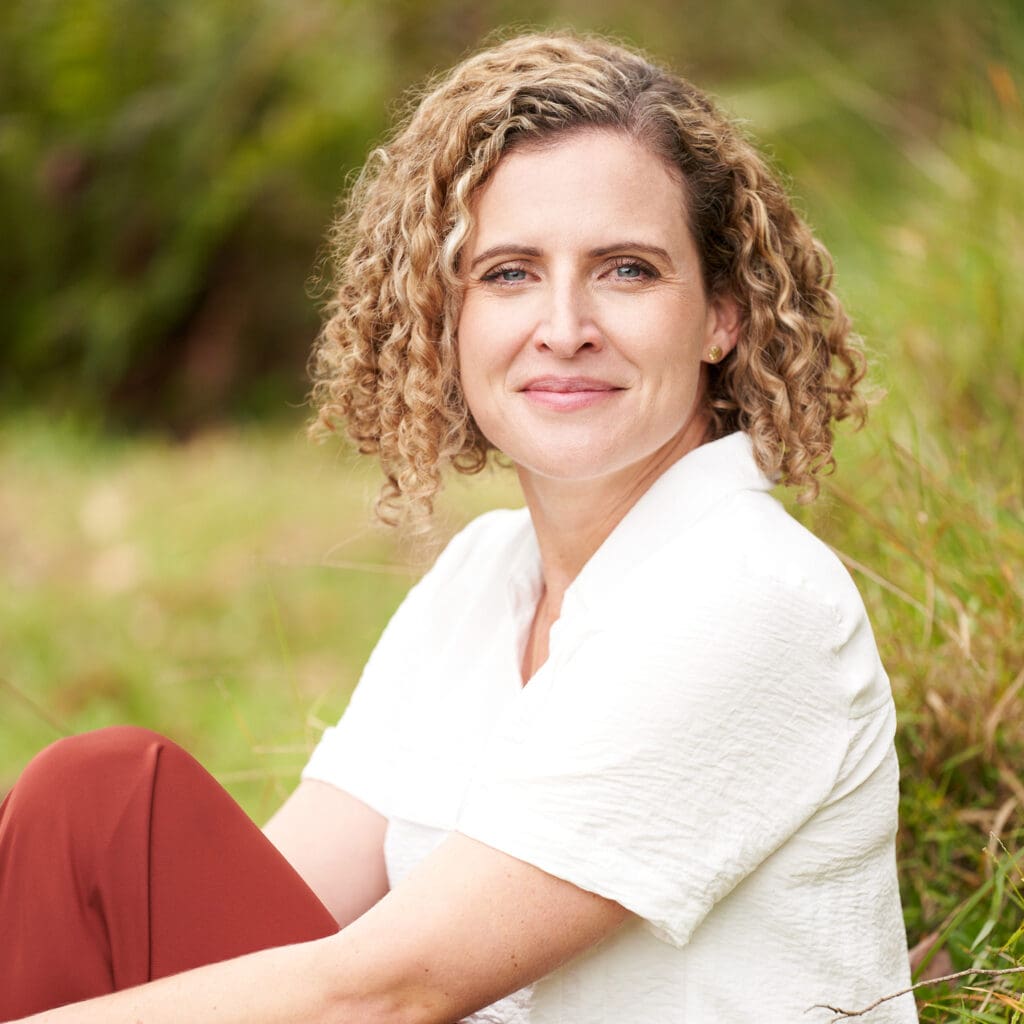
I’m Heather So, and my work centres around making space for spirituality in healthcare conversations. I offer workshops and training for health professionals, talks for people navigating a healthcare journey, and I am the author of The Suffering of a Child, now available for purchase.
Feel free to get in touch with me.


