What I’ve learned about spirituality in healthcare: Part 5
7/01/26
Recognising client spirituality

Many health professionals agree that spirituality is important. The challenge is recognising it when it appears in practice.
Part of the difficulty is that spirituality rarely presents itself directly.
Most patients do not arrive at an appointment asking to discuss spirituality. In fact, many may never use the word at all. If clinicians are waiting for explicit references to religion or spirituality, they may miss some of the most important conversations occurring beneath the surface.
I often think about spirituality as being embedded within a person’s story.
Imagine that, as a health professional, you are hearing snippets from a patient’s private journal. As they describe their illness, disability, treatment or recovery, they are also revealing how they make sense of what is happening to them.
This is where spirituality frequently appears.
Sometimes it emerges through questions.
Why is this happening to me?
What is the point?
Who am I now?
I don’t feel like myself anymore.
These questions are often existential in nature. They touch on meaning, purpose, identity and suffering.
Spirituality may also emerge through conversations about values.
Patients may discuss what matters most to them, what treatments they are willing to pursue, or how they define quality of life. Decisions about healthcare are often influenced by deeply held beliefs, even when those beliefs are not explicitly described as spiritual.
Sources of strength can provide additional clues.
People may talk about family, faith communities, cultural practices, favourite places, meaningful occupations or spiritual rituals that help them cope. These sources of strength often reveal the relationships, beliefs and experiences that sustain them during difficult times.
Importantly, none of these examples require a formal spiritual assessment to become visible. They are often present within everyday clinical conversations.
The challenge is learning to hear them.
This does not mean every existential statement requires an in-depth spiritual discussion. Nor does it mean health professionals need to become spiritual experts. Rather, it involves recognising that patients are often communicating concerns and resources that extend beyond physical symptoms alone.
Listening for meaning, identity, values and sources of strength can provide a richer understanding of the person’s experience and may help identify opportunities for support.
As Best, Butow and Olver (2016) observe, ignoring the spiritual dimension may mean overlooking both significant sources of distress and important coping mechanisms.
Perhaps recognising spirituality begins with a simple shift in attention. Instead of listening only for symptoms and problems, we also listen for the story the person is telling about themselves, their life and what matters most to them.
Listen out for those diary-entry moments.
“…there will be occasions when to ignore the spiritual dimension is to ignore one of the most important factors contributing to patient distress, or one of the most important coping mechanisms available to them.” (p.8)
Best, M., Butow, P., & Olver, I. (2016). Why do We Find It so Hard to Discuss Spirituality? A Qualitative Exploration of Attitudinal Barriers. Journal of Clinical Medicine, 5(9), 01. doi:https://dx.doi.org/10.3390/jcm5090077
Next up in this series: Recognise your own lens
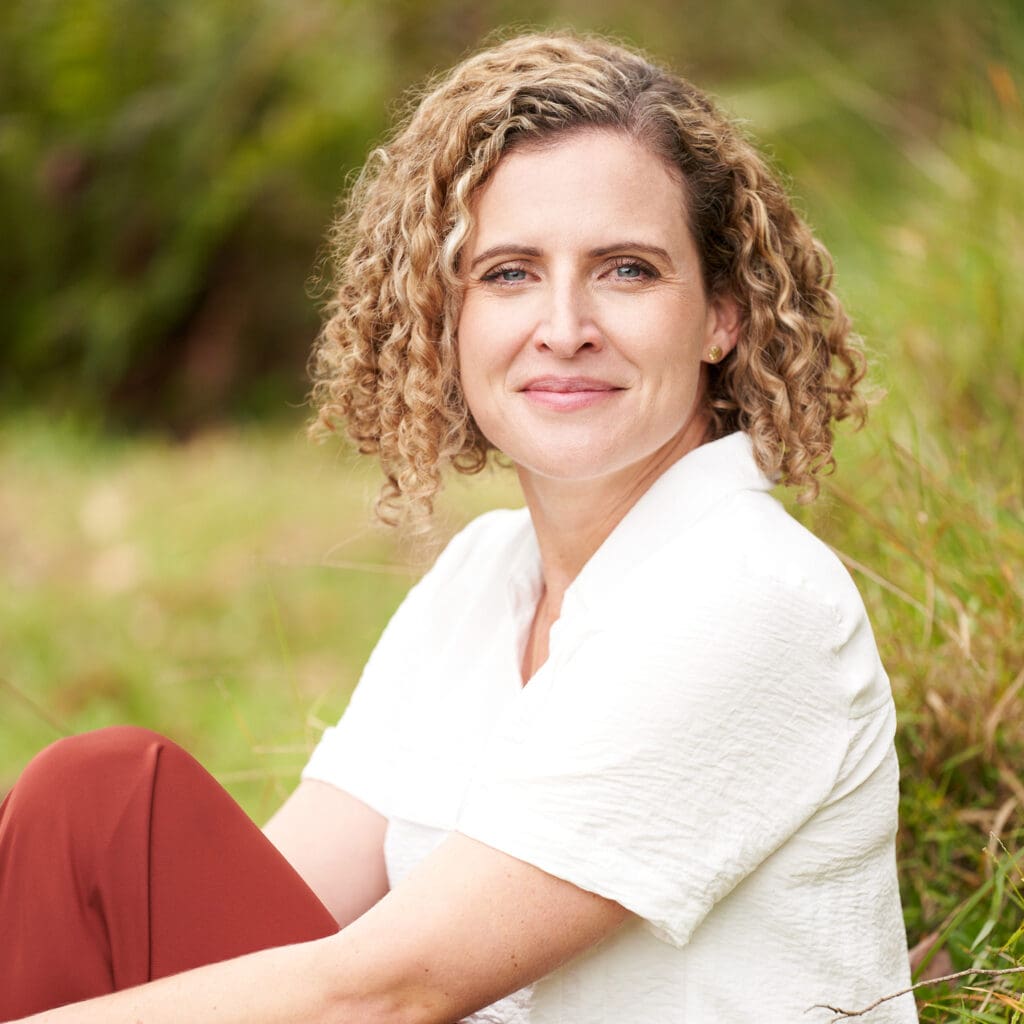
I’m Heather So, and my work centres around making space for spirituality in healthcare conversations. I offer workshops and training for health professionals, talks for people navigating a healthcare journey, and I am the author of The Suffering of a Child, now available for purchase.
Feel free to get in touch with me.


