What I’ve learned about spirituality in healthcare: Part 3
7/01/26
Why don’t we talk about it?
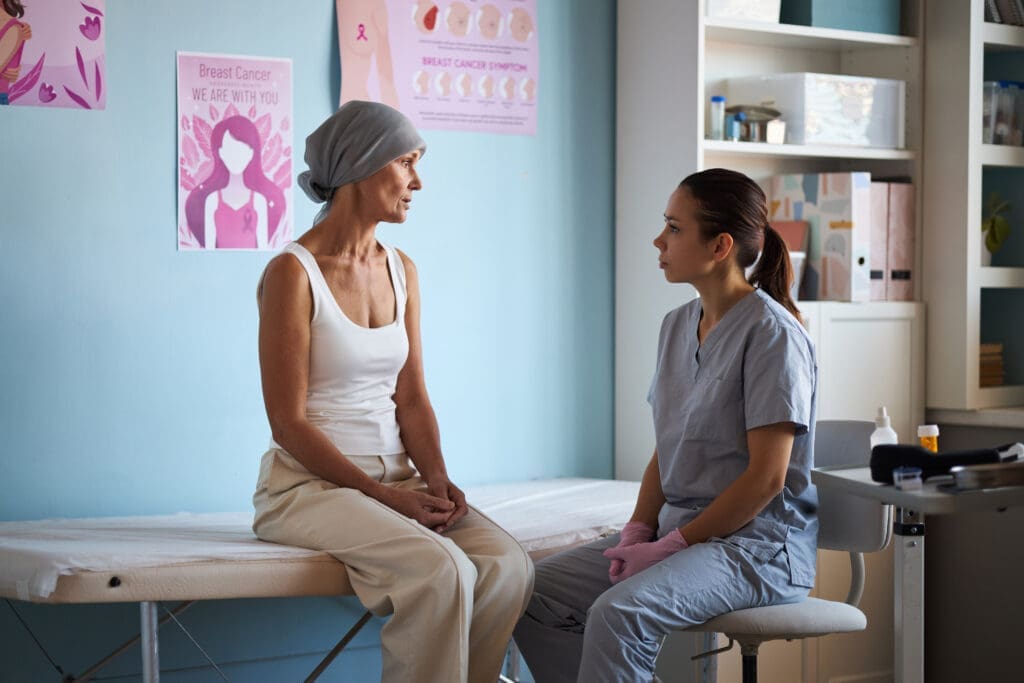
If spirituality is such an important part of healthcare, why is it often absent from conversations about care?
One reason may be surprisingly simple: many of us are not used to talking about it.
I often think about spirituality using the image of water and a glass.
The water represents people’s spiritual experiences. Questions about meaning, identity, hope, suffering, connection and purpose are present throughout human life. The challenge is that many of us have not been given a “glass” to hold those experiences.
We lack the language, frameworks and cultural habits that make these conversations easier.
As a result, spirituality can feel awkward, vague or difficult to discuss.
This is not necessarily anybody’s fault. Many people living in Western societies have grown up in cultures where conversations about death are avoided, religion is treated cautiously, and existential questions are often pushed to the margins of everyday life.
We become skilled at discussing practical matters while feeling less confident discussing what gives life meaning.
The problem becomes more obvious during healthcare journeys.
Illness, disability, loss and uncertainty often raise profound questions. People may wonder why they are suffering, what the future holds, what matters most, or how their identity is changing in response to illness.
Yet many people find themselves facing these questions without a ready vocabulary for discussing them.
Health professionals face similar challenges.
Despite increasing recognition of holistic care, healthcare education has traditionally focused on physical illness and treatment. While many clinicians recognise the importance of spirituality in theory, they frequently report feeling uncertain about how to discuss it in practice. Some worry about saying the wrong thing. Others are concerned about crossing professional boundaries or imposing personal beliefs.
Healthcare systems can create additional barriers.
Spirituality is not always prioritised within policies, documentation or service structures. Chaplains and spiritual care practitioners may not be available in all settings, and when they are available, resources are often limited. As a result, patients may move through healthcare systems without anyone asking about the beliefs, values, relationships or sources of meaning that help them cope.
This creates an interesting tension.
Healthcare frequently describes itself as holistic. Yet the systems, language and resources needed to support holistic care are not always in place.
Perhaps the first step is not becoming experts in spirituality. Perhaps it is simply becoming more comfortable acknowledging that these conversations exist.
When we create language for discussing spirituality, we create a container for experiences that are already present. We make it easier for people to express what matters most to them during some of life’s most challenging moments.
Sometimes the things that matter most to us are the hardest to talk about.
“Despite known health benefits of spiritual care and high patient interest in discussing spirituality with their physicians, the frequency of spiritual discussions in the medical consultation is low.” (p.1)
Best, M., Butow, P., & Olver, I. (2016). Why do We Find It so Hard to Discuss Spirituality? A Qualitative Exploration of Attitudinal Barriers. Journal of Clinical Medicine, 5(9), 01. doi:https://dx.doi.org/10.3390/jcm5090077
Next up in this series: What can I do about it?
I’m Heather So, and my work centres around making space for spirituality in healthcare conversations. I offer workshops and training for health professionals, talks for people navigating a healthcare journey, and I am the author of The Suffering of a Child, now available for purchase.
Feel free to get in touch with me.


