What I’ve learned about spirituality in healthcare: Part 1
7/01/26
What is spirituality?
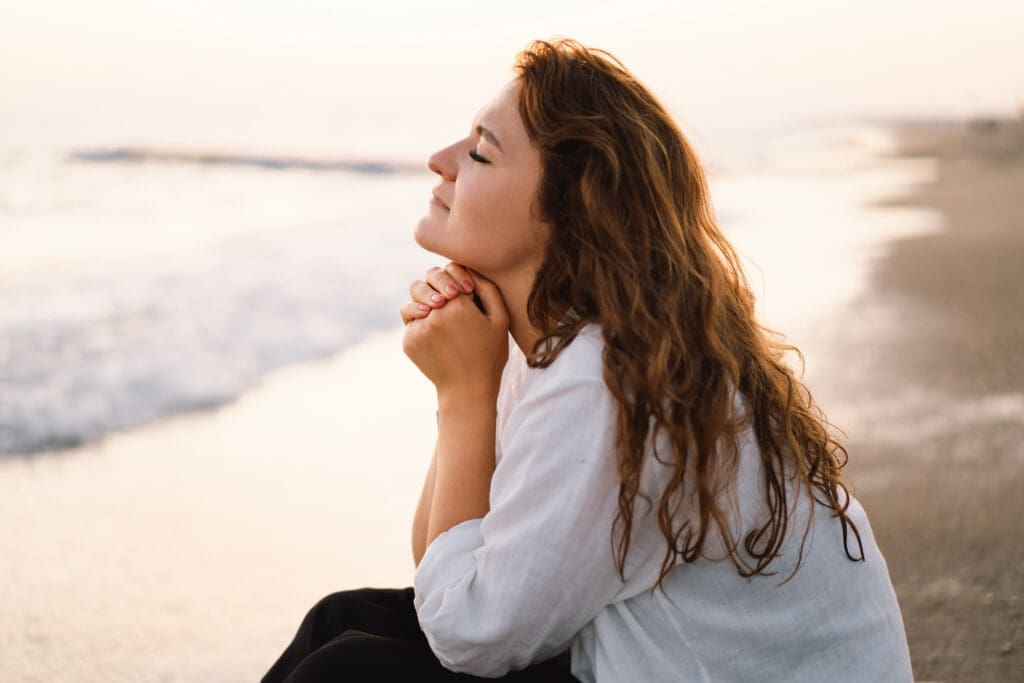
The word spirituality can make people uneasy.
For some people, it immediately brings religion to mind. Others worry that it is too personal to discuss in healthcare settings. Some health professionals fear it may be inappropriate or cross professional boundaries altogether.
These concerns are understandable. Spirituality has often been treated as a private topic, and many of us have grown up in cultures where conversations about belief, meaning, suffering and mortality can feel awkward or uncomfortable.
Yet spirituality continues to appear in discussions about holistic healthcare. Why?
One of the simplest ways I have found to think about spirituality is through the image of concentric circles.
Imagine three circles nested within one another.
The outer circle represents the body. This is where healthcare has traditionally focused much of its attention: disease, diagnosis, symptoms, treatment and physical function.
The next circle represents the mind. This includes our emotions, relationships, thoughts and psychological wellbeing.
The innermost circle represents spirit. Depending on the individual, this may include religion, beliefs, values, meaning, purpose, identity, hope, connection or the things that help make life feel worthwhile.
The circles are not separate. They constantly influence one another.
When someone faces a serious illness, it is rarely only a physical experience. A diagnosis may create anxiety, uncertainty and grief. It may challenge a person’s sense of identity. It may raise questions about what matters most, what gives life meaning, or how to find hope during difficult circumstances.
Healthcare journeys are experienced on multiple levels at once.
This is why spirituality should not be viewed in isolation. Rather, it sits within a broader understanding of holistic healthcare that recognises people as physical, emotional, social and spiritual beings.
Importantly, acknowledging spirituality is not about persuading people to adopt particular beliefs. Nor is it about assuming that everyone is religious. Instead, it is about recognising that healthcare experiences often touch the deepest parts of a person’s life and supporting them in ways that are meaningful to them.
For some people, that support may involve faith communities or religious practices. For others, it may involve family, nature, personal values, cultural traditions or a sense of purpose.
The goal is not to push a spiritual position onto people. The goal is to create space for what matters most to them.
Perhaps that is why conversations about spirituality remain important in healthcare. They remind us that patients are more than diagnoses, symptoms or treatment plans. They are whole people whose experiences of illness, loss and healing extend beyond the body alone.
Spirituality in healthcare is really about acknowledging that people are body, mind and spirit; and that healthcare situations will affect them holistically.
“A positive vision of health that integrates physical, mental, spiritual and social well-being”.
World Health Organization. (2021). The Geneva Charter for Well-being. Retrieved from WHO Online Publications: https://www.who.int/publications/m/item/the-geneva-charter-for-well-being
Next in this series: How does it show up?
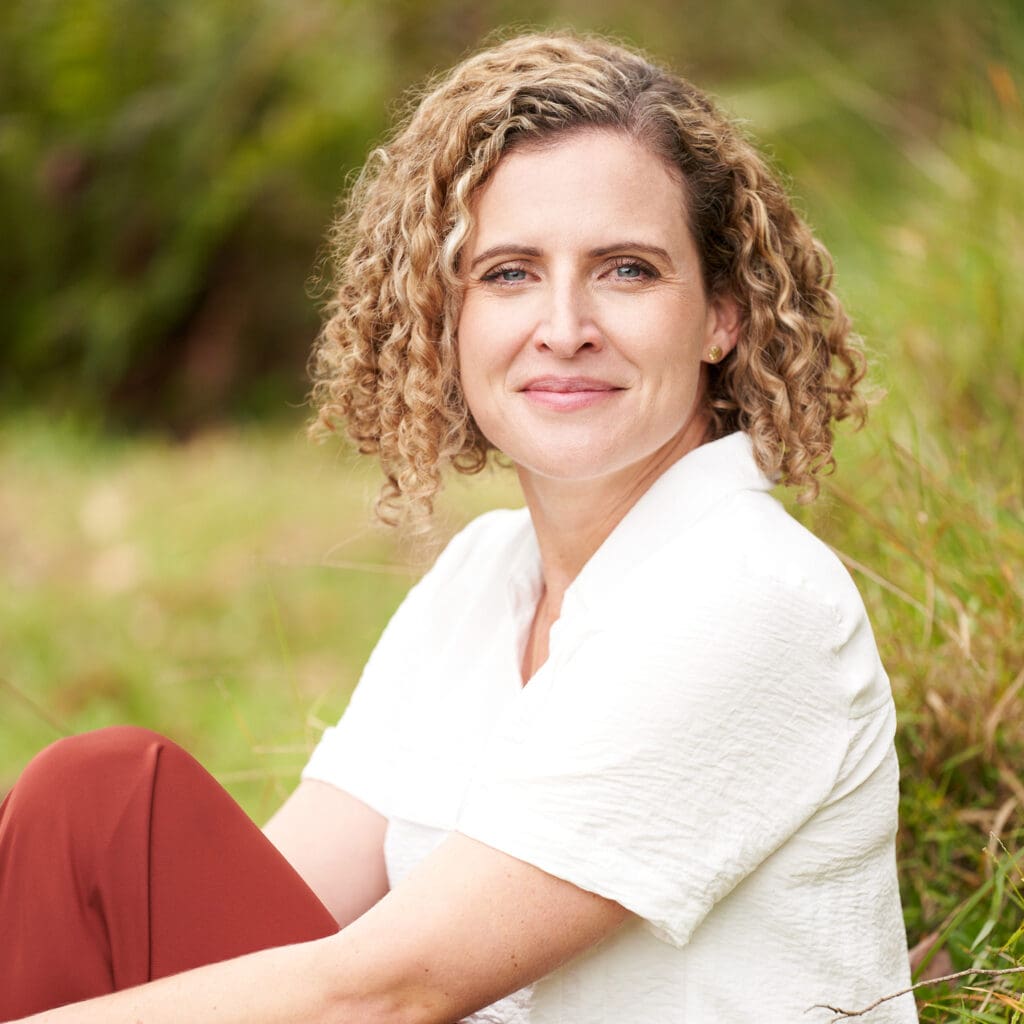
I’m Heather So, and my work centres around making space for spirituality in healthcare conversations. I offer workshops and training for health professionals, talks for people navigating a healthcare journey, and I am the author of The Suffering of a Child, now available for purchase.
Feel free to get in touch with me.


